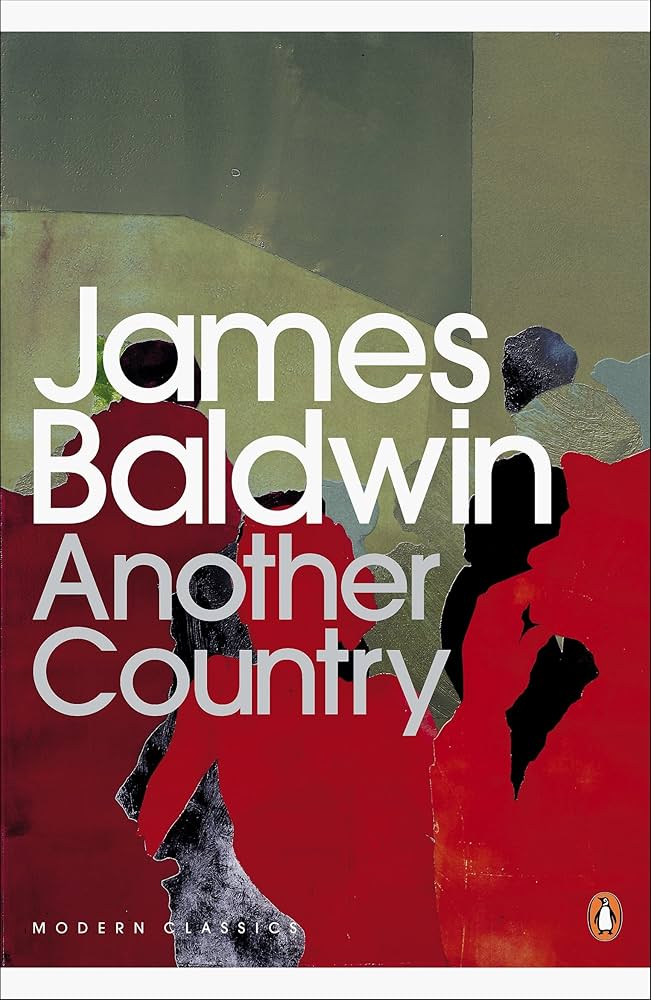
Another Country, a novel by James Baldwin, redefined the female perspective of vulnerability and exposure by placing male dominance at the centre of its narrative.
Ida demonstrates the bias against black women in America through both her pivotal relationships with Ellis and Vivaldo, her construct exploring a desire to overcome generalised bias towards her and wider society, yet also to stay in line with the public, which is embedded with prejudice.
Vivaldo, a key partner of Ida, shapes her concept of racial inter-relations as she begins to question the sincerity of her newly found lover. Despite their relationship having lasted an extended amount of time at the point when the novel draws to a close, Vivaldo still alludes to a distorted, fixed lens of women. His integrity in their relationship was gradually progressing, but Vivaldo still internally made note that “she too, was a whore.”
Does this question the authenticity of our narrator – why else had this underlying train of thought not been mentioned before? Had Vivaldo been suggesting this throughout their relationship? Is this why Ida constantly wanted an argument to fall back on – her race?
Ida surrounds herself with ‘unfixable’ problems, which she only announces after she finds trust in Vivaldo. At the end of the novel, she mentions her trauma for the first time.
The reader begins to form a narrative that James Baldwin wanted to disguise; her true nature until the very last chapters when her words could evoke a lingering sympathy from the readers.
Yet Baldwin still manages to disrupt the moment of empathy by forcing Ida to comfort Vivaldo, replacing the pity with the feeling that she had been overlooked.
This meant that the effect of the final chapters was not to respect Ida for overcoming her desperation to overpower people, but to postpone her emotions until they could be overpowered by compassion for her lover.
Ida wanted to sing; she expressed a shy demeanour at first yet began to vocalise her thoughts until a clear harmony was created. As a result, Ida formed a relationship with Ellis, a married man. Yet even once Ida gained a sense of confidence, she refused to sing in a place disorganised beforehand. Again, a recurring fear of Ida’s is vulnerability, as she struggles with being at ease in her own skin.
Ida grapples with secrecy, identity and sexuality. Vivaldo is a key symbol of these themes, as he refused to embrace his bisexuality until the last pages where control in society vanishes, and self-respecting citizens are as outrageous as equality.
Rufus Scott dominates the first quarter of the novel, skulking around the streets as a musician and entrancing Leona, a white woman. All his relationships have an undercurrent of abuse which he, like Ida, doesn’t feel can be expressed to Vivaldo or Cass (as they would have an incapacity to understand.) Rufus is arrogant, yet he doesn’t know how to be truthful or intimate.
He hides his sexuality from all who would care and deals with racism constantly, yet in his final moments we, as the reader, can see a change, which is so becoming that Rufus clearly wants to amend his ways.
Yet after vain efforts by Vivaldo and Cass to help Rufus, his sorrow overwhelms him. he is full of despair about the world and himself. Suicide is all that appeals to Rufus, and he jumps off George Washington bridge.
To conclude, Ida demonstrated the effects of racial bias and a consequent hatred by broader society in response to this.
Vivaldo plays a key part in confirming her doubts in her relationship, while Ellis represented the desperation someone may feel at inadequate intimacy. Rufus Scott also implies the difficulties of living surrounded by prejudices.
The central men within Another Country all allude to how Ida deals with normalised verbal abuse and in its consumption, she loses the fight to regain her power as a woman.
 Life With Literature
Leave a comment